Diesel air compressors are the only practical high-pressure air source for off-grid oilfield drilling rigs.
Related topics (expand)
- mobile diesel air compressor
- portable diesel compressor for drilling
- off-grid drilling air supply
- DTH hammer compressor
- remote rig pneumatic system
- diesel screw compressor for oilfield
- high-pressure air for down-the-hole drilling
- 300 psi drilling compressor
- oilfield air compressor rental
- drilling rig utility island
- compressor for remote wellsite
- load-sensing air compressor
- Most remote drilling locations have no utility power at all, and the economics of running temporary high-voltage lines out to them fall apart once you’re past a kilometre or so of cable. A self-contained diesel spread sidesteps the entire electrical problem.
- Above 50°C ambient, standard compressors start throwing high-temperature alarms. Machines that hold their output run oversized cooling cores and fans driven by independent hydraulic motors.
- Tier-4/Stage V engines throttle back automatically when the crew is tripping pipe and air demand drops. On the field records we see from remote blocks, that behaviour typically trims daily diesel burn by 12–15%.
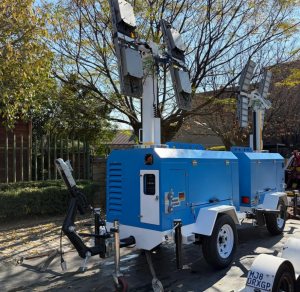
- Pair a heavy-duty screw compressor with a mobile solar light tower and you get a quiet, low-maintenance utility island at the rig floor — no extra genset, no long cable runs.
The Reality of Rig Power Beyond the Grid
Drop a rig in the middle of a remote basin or a high-altitude plateau and the first thing missing is a power grid. Site generators cover the camp loads and the mud pumps well enough; the pneumatic work is another story. Running the down-the-hole (DTH) hammer, purging lines, blowing down equipment — that calls for a dedicated air package, and it needs to be on location the day the rig spuds.
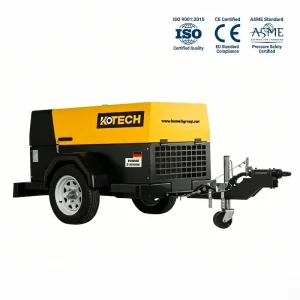
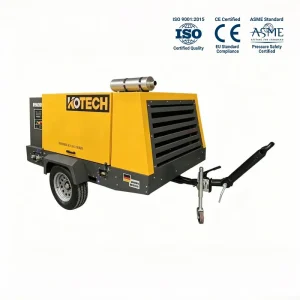
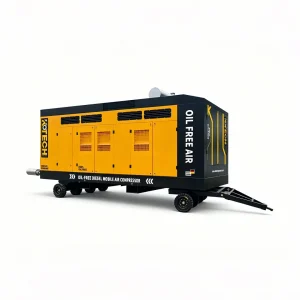
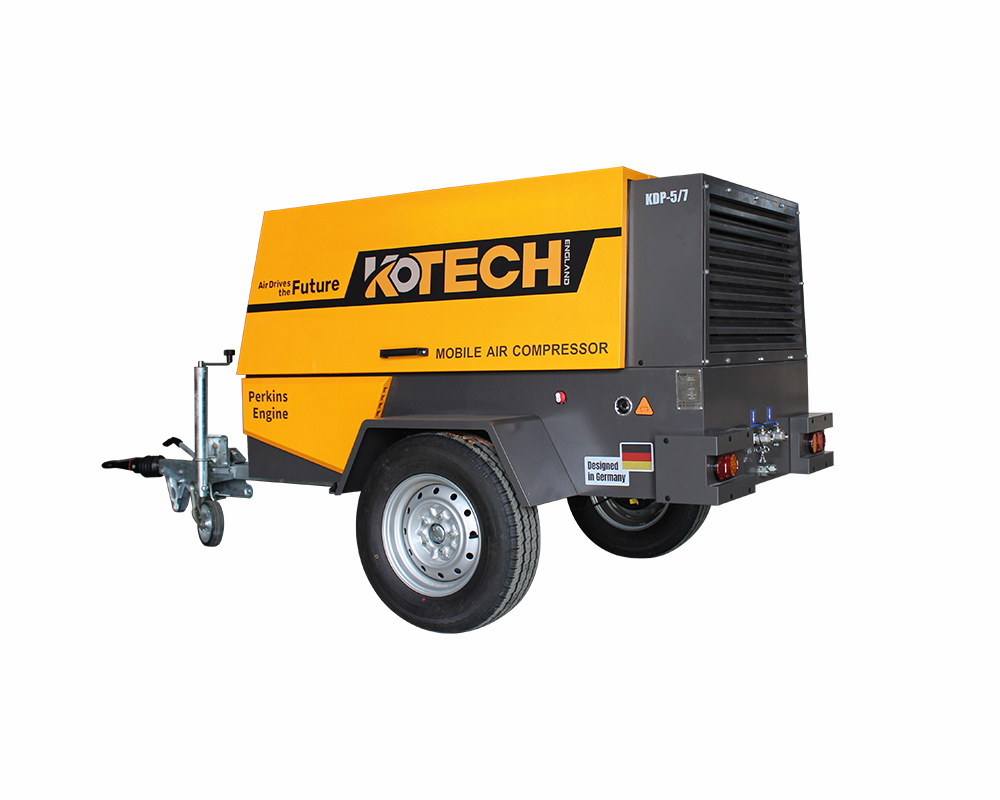
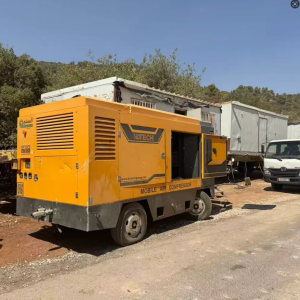
That’s where a rugged KOTECH mobile compressor earns its keep. Shop-floor units that sit on clean concrete don’t translate to field life. These packages get dragged across washed-out lease roads, rattle behind heavy haulers, and run wide open through temperature swings that would trip lesser equipment. Anyone who has run an unserved block will tell you the same thing: the reliability of the air spread decides whether you make total depth on schedule or sit idle waiting on parts.
Ditch the Long Cable Runs: Why Mechanical Drive Wins
Every so often a project tries to run big electric compressors off long temporary cables tapped into the rig’s generators — usually because the electrical equipment is already on the spread. It works until it doesn’t. Past a thousand metres or so of cable, voltage drop and inductive reactance take over, and you get overheated windings and nuisance trips at the worst possible moment, mid-drilling.
A diesel-driven unit cuts the electrical middleman out entirely. Couple the screw directly to a high-torque diesel engine and fuel becomes high-pressure air with no line losses in between. When you’re pushing 25 to 35 bar down the string to clear heavy cuttings, that direct mechanical path is what keeps penetration rates up — and it doesn’t need anyone babysitting a power distribution system.
Surviving Dust, Dirt, and 50°C Deserts
Oilfield weather is hard on equipment. A hyper-arid basin in the Middle East in July, a northern flat in February — the machine has to handle both ends of it. Once ambient heat passes 50°C, a marginal unit starts throwing high-temperature alarms, and oil pressure follows. That’s usually where the trouble begins.
The machines that hold up are built around big core-face oil coolers and high-velocity fans driven by independent hydraulic motors, so cooling doesn’t depend on engine speed. Intake protection matters just as much. Fine silica dust is essentially liquid sandpaper on screw rotors; without a heavy-duty cyclonic pre-cleaner stripping 98% of the grit before it reaches the micro-glass filter elements, you’re looking at a premature top-end overhaul — sometimes before the well is halfway down.
Keeping Fuel Burn in Check on Long Spreads
Diesel reaches a remote rig by tanker truck, and every litre is expensive by the time it gets there. Burn it when nobody needs the air and you’re throwing money away. Modern mobile spreads use engine management that ties throttle directly to air demand — nothing exotic, just smarter controls than older machines had.
When the crew is tripping pipe and air demand drops, the machine unloads and idles down instead of sitting at full RPM. On the field records we see from remote blocks, that kind of pneumatic load-sensing trims daily fuel use by 12–15%. Over a six-month campaign it adds up to a genuine logistics saving — and fewer tanker trips down lease roads that are hard on both the truck and the driver.
Lighting Up the Night Shift Safely
Drilling runs around the clock, and so does the lease lighting. Pipe racks, shale shakers, mud pits — every working area has to be lit after dark, and that power has to come from somewhere. This is where the utility-island approach pays off: run a rugged KOTECH compressor spread alongside a couple of mobile solar light towers and you’ve covered the working areas without drawing fuel or electrical capacity away from the main spread. One less thing competing for power at midnight.
Article Tag Cloud
Portable diesel air compressor, oil-free compressor, electric oil-free air compressor, solar lighting tower, industrial compressor manufacturer, KOTECH compressor, oilfield drilling equipment
Related Applied Cases
Frequently Asked Questions
Remote sites simply don't have grid power. Laying long cables over rough terrain brings voltage drop and power loss that get worse the farther you go, so for high-pressure loads a self-contained diesel unit is usually the only practical option.
Most DTH hammer work runs between 20 and 35 bar — roughly 300 to 500 psi. That's what it takes to lift heavy rock cuttings out of deep boreholes; anything less and the hole cleans itself too slowly.
Heat thins the oil and pushes operating temperatures toward the danger zone. Machines that hold up are built with oversized coolers and heavy-duty radiator packages sized to keep running stable even when ambient temperatures cross 50°C.
Dust, by a long shot. Fine silica gets drawn into the intake and sands down screw rotors and cylinder walls in short order if you skip multi-stage filtration and cyclonic pre-cleaners.
Instead of running wide open all the time, load-sensing regulators match engine throttle to real-time air use. During pipe connections and tripping, when nobody needs full flow, the machine idles down and burns noticeably less fuel.
Yes. Industrial-grade mobile compressors are built for continuous duty, provided the crew stays on top of daily fluid checks, filter changes and basic thermal monitoring. Skip those and no machine lasts long out there.