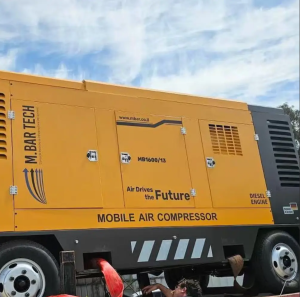
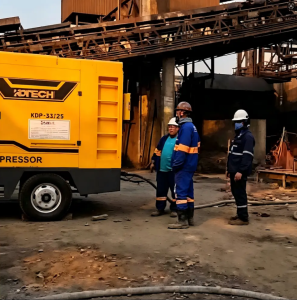
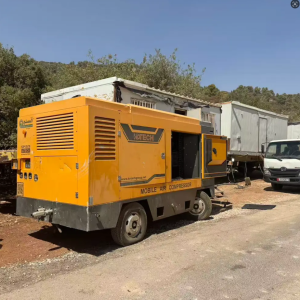
Rental houses and contracting groups that keep a mixed inventory of breakers, drifters, sandblast pots and utility tools have traditionally needed a separate compressor for each pressure band. A variable pressure diesel compressor breaks that pattern: the same PACE machine can be re-rated across the common 8, 10 and 12 bar operating points, so one physical unit serves several tool families. For a fleet manager, that means fewer SKUs, higher utilization, simpler operator training and a much smaller spare-parts burden.
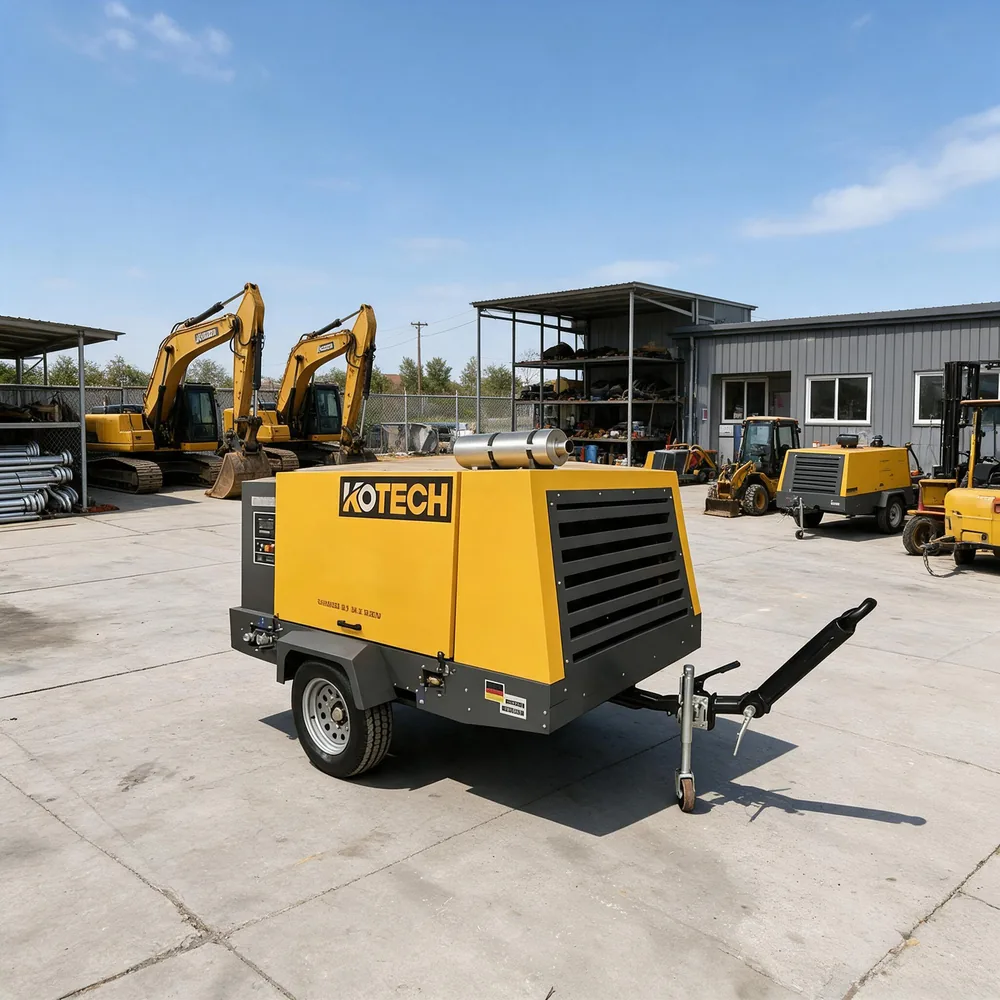
The fleet problem that variable pressure solves
A conventional fleet accumulates machines by pressure class. High-PSI breakers and drilling tools pull from one group, general construction tools from another, and low-pressure, high-flow blasting equipment from a third. Each group needs its own spare filters, service routine, transport configuration and trained operators, and a machine that sits idle between contracts still depreciates and occupies yard space.
Standardizing on a variable-pressure platform attacks the problem at the source. Because a PACE unit is offered in pressure variants that span the everyday 8, 10 and 12 bar bands, a fleet can hold fewer air-end types while still matching the tool on the job. The same enclosure, engine family, controller layout and service points recur across the range, so a technician trained on one size can work on the rest.
- Fewer distinct air-end and engine types to stock parts for
- Higher utilization because each unit fits a wider set of contracts
- One operating and maintenance routine across the standardized range
- Easier redeployment when a project ends and tools change
Matching one PACE unit to several pressure bands
The PACE line is built around common diesel engine platforms paired with pressure variants of the same air end. The catalogue lists each frame in its base rating and in dedicated 10 bar and 12 bar versions, with selected frames also offered at 8 bar and at higher pressures for specialist work. In practice, a rental company chooses a frame by the peak flow it must deliver, then specifies the pressure variant that the dominant tool family requires, knowing the same base machine is available in the other ratings when fleet needs shift.
For example, the mid-size frames around 100 to 185 CFM cover the bulk of handheld breakers, drivers and general site tools, while the larger 388 CFM class supports simultaneous tools, heavier drifters and blasting. Because the Perkins engine families and enclosure dimensions stay consistent within a frame, moving an operator or a service kit between pressure variants carries almost no learning curve.
- Pick the frame by peak CFM, then the pressure variant by the main tool family
- Base, 10 bar and 12 bar versions share the same enclosure and service points
- Larger 388 CFM frames handle combined tools and heavier drilling duties
- Consistent Perkins engine platforms simplify fuel and maintenance planning
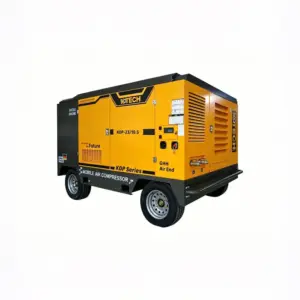
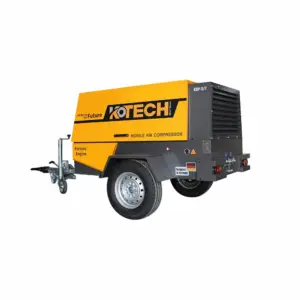
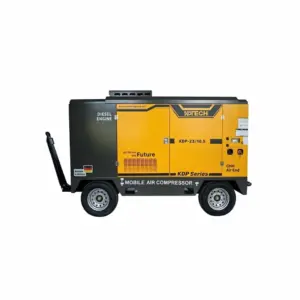
Real KOTECH PACE variable-pressure diesel compressor frames
Base-rating figures from the current product-page table; each frame is also available in higher-pressure variants for 8, 10 and 12 bar tool groups.
The figures below are the current base-rating product-page values for representative PACE frames. Each frame is also listed in higher-pressure variants in the full catalogue, which is what gives the platform its one-unit-many-tools flexibility.
Utilization, residuals and total cost of ownership
Fleet economics run on utilization. A specialized single-pressure machine that only fits one contract type may spend a large share of its life parked, while a standardized variable-pressure unit can be reallocated to whatever job is active. Over a multi-year holding period, the difference in billable hours compounds quickly and usually outweighs any small price premium for the flexible platform.
Standardization also protects residual value. A widely used, well-supported model with common parts and a familiar control system is easier to sell on the secondary market than an odd-specification unit. Buyers of used fleet equipment actively look for machines they already know how to service, so staying within a single PACE family keeps the entire inventory liquid at disposal time.
- Reallocatable units lift billable hours and shorten idle periods
- Common parts reduce the working capital tied up in inventory
- Familiar, high-volume models hold better residual values
- Single-platform training lowers operator error and downtime
Deployment and servicing discipline for mixed fleets
To capture the standardization benefit, fleets should document the pressure setting and connected tool for every rental, fit quick-connect couplings and clear pressure labels, and lock the controller so that an operator cannot accidentally push a tool beyond its rated pressure. Pre-rental checks should verify the pressure variant, the safety valves and the condition of hoses rated for that band.
On the service side, consolidate to the oil, filter and separator types used across the standardized frames and keep a single maintenance schedule by engine hour. When a unit returns from hire, inspect the cooler, drain condensate, and confirm the controller still reads the correct pressure variant before it goes back out. These small disciplines prevent the most common cause of mixed-fleet failures, which is treating a flexible machine as if it needed no configuration control at all.
- Label and lock each pressure configuration before the unit leaves the yard
- Standardize couplings, hoses and safety valves to the matched pressure band
- Use one engine-hour service schedule across the common platform
- Inspect coolers and drain condensate on every return from hire
Buying tips
- Size the frame for the highest simultaneous CFM you rent, then choose pressure variants by your dominant tool families.
- Consolidate on one engine and enclosure platform so spares and training transfer across the fleet.
- Confirm the controller supports locked, clearly labelled pressure settings to prevent operator misuse.
- Check that hoses, couplings and safety valves are rated for the highest pressure band you will deploy.
- Weigh utilization and residual value, not just purchase price, when comparing flexible and fixed-pressure units.
Frequently asked questions
What is a variable pressure diesel compressor?
Can one PACE compressor really replace three fixed-pressure machines?
How do I choose the right PACE frame for a rental fleet?
Does variable pressure increase maintenance cost?
What safety precautions apply when re-renting a variable-pressure unit?
If you manage a mixed-tool fleet and want to cut the number of compressor types you stock, review the PACE frames and their pressure variants against your rental history and request a fleet configuration proposal.
Related Applied Cases