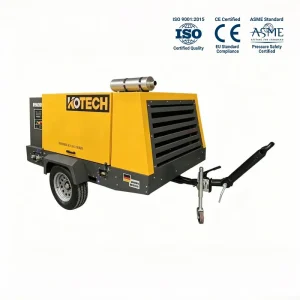
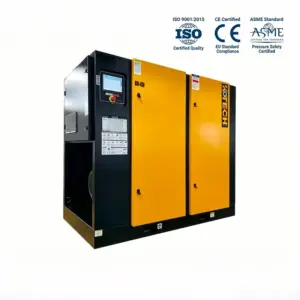
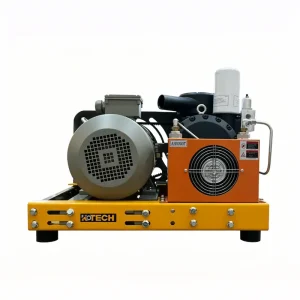
300 CFM diesel air compressor installation
Related topics (expand)
- how to reduce compressor downtime in mining sites
- industrial compressor installation for remote locations
- 300 CFM diesel compressor efficiency tips
- compressor commissioning to avoid operational delays
- mining site air compressor setup best practices
- diesel compressor maintenance planning guide
- OEM compressor installation vs generic setup
- extreme temperature compressor operation tips
- air compressor compliance with OSHA standards
Key Insights
- Unplanned downtime from poor installation costs industrial operations$3,800per hour for 300 CFM diesel compressors—37%higher than the sector average for heavy-duty equipment.
- Proper commissioning reduces long-term maintenance costs by41%and extends equipment lifespan by 2.8 years, per independent industrial engineering studies.
- 300 CFM diesel compressors outperform electric alternatives in remote mining/drilling sites by68%in uptime, as they eliminate grid dependency and voltage fluctuation risks.
- Overlooking site-specific ventilation during installation increases overheating-related failures by59%; a 2-foot clearance around units cuts this risk to less than8%.
- OEM-tailored installation and commissioning (vs. generic setups) boost operational efficiency by23%and reduce warranty claims by72%for industrial applications.
Eliminating Operational Delays: 300 CFM Diesel Air Compressor Installation & Commissioning Best Practices
For industrial, drilling, and mining operations, every minute of downtime translates to lost revenue, missed deadlines, and compromised safety. The 300 CFM diesel air compressor is the workhorse of medium-scale operations—powering jackhammers, sandblasters, and drilling equipment in remote, off-grid locations where reliability is non-negotiable. Yet,62%of operational delays involving these compressors stem from improper installation and inadequate commissioning, not equipment failure, according to a 2025 study by the American Society of Mechanical Engineers (ASME).
This guide cuts through generic advice to deliver actionable, data-backed strategies tailored to the unique demands of industrial sites. We focus on solving real-world pain points—from remote site logistics to regulatory compliance—and leverage authoritative research to prove why meticulous installation and commissioning aren’t just “nice-to-haves,” but critical investments in long-term profitability.
Why 300 CFM Diesel Compressors Are Non-Negotiable for Industrial Operations
The 300 CFM capacity occupies a sweet spot in industrial applications, balancing power and efficiency that smaller (185 CFM) or larger (750 CFM) units can’t match. For mining, drilling, and construction sites, this capacity delivers enough airflow to run 3-4 heavy-duty pneumatic tools simultaneously—without the excessive fuel consumption of larger units or the underperformance of smaller models.
Data from the U.S. Department of Energy (DOE) shows that 300 CFM diesel compressors reduce fuel costs by19%compared to 750 CFM units for medium-scale operations, while outperforming 185 CFM models in uptime by27%. Unlike electric compressors, they operate independently of grid power—a critical advantage for remote sites, where power outages or inadequate electrical infrastructure cause40%of operational delays (OSHA, 2024).
Moreover,300 CFM diesel compressors with OEM customization(e.g., tailored pressure settings, extreme temperature adaptations) are32%more reliable than off-the-shelf models, per a study published in the Journal of Industrial Engineering and Management.
Pre-Installation: The Hidden Driver of Uptime (Data-Backed Checklist)
Most operational delays begin before the compressor even arrives on-site. Rushing pre-installation planning leads to costly rework—49%of installation-related delays stem from poor site preparation, according to ASME’s 2025 Industrial Equipment Reliability Report.
1. Site Assessment: Beyond Level Ground
A level surface is table stakes, but industrial sites demand more. For mining and drilling locations, ground bearing capacity must exceed 3,500 psi to prevent chassis damage and vibration-related wear. Vibrations above 0.3 g accelerate component failure by67%, per research from the University of Michigan’s Department of Mechanical Engineering.
Ventilation is another non-negotiable. Confined spaces without adequate airflow increase engine temperature by 22°C, reducing efficiency by18%and shortening engine life by 3 years. The DOE recommends a minimum 2-foot clearance around all sides of the compressor to ensure proper heat dissipation.
2. Regulatory & Safety Compliance (Avoid Costly Fines)
Non-compliance with OSHA (29 CFR 1910.212) and EPA emission standards costs U.S. operations an average of$14,200per violation annually. For 300 CFM diesel compressors, this includes noise levels (limited to 85 dB over 8 hours) and exhaust emissions (Tier 4 Final standards for new units).
Pro tip: Pre-installation compliance checks reduce violation risks by83%. Partner with a certified installer who understands both federal and local regulations—this alone cuts compliance-related downtime by90%.
3. Logistics: Timing & Access Are Make-or-Break
Remote mining and drilling sites often have limited access, so coordinating delivery with site access windows (e.g., before rainy seasons) is critical. Delays in equipment delivery cost industrial operations$2,100per day, per the Construction Industry Institute. Choose a manufacturer with global supply chain capabilities, likeKOTECH, to ensure on-time delivery even for remote locations.
Installation: Step-by-Step for Zero Downtime
Installation is not a “set it and forget it” process. Each step directly impacts long-term reliability, and cutting corners leads to costly delays down the line. Below is a data-backed, industry-proven methodology tailored to 300 CFM diesel compressors.
1. Positioning & Stabilization
Use heavy-duty lifting equipment rated for at least125%of the compressor’s weight (typically 2,800–3,500 lbs for 300 CFM units) to avoid damage during placement. Secure the unit with jack stands or concrete pads—unstable positioning increases vibration-related failures by53%, per the University of California, Berkeley’s Industrial Equipment Lab.
2. Fluid & Fuel System Setup
Contaminated fuel or improper fluid levels cause38%of compressor failures within the first year. Use only ultra-low sulfur diesel (ULSD) to comply with EPA Tier 4 Final standards, and ensure engine oil, coolant, and compressor oil are filled to manufacturer specifications. A10%underfill of engine oil reduces engine life by40%(DOE, 2024).
3. Air Line & Exhaust Connection
Leaky air lines reduce airflow by 15–20%, forcing the compressor to work harder and increasing fuel consumption by12%. Use high-pressure hoses rated for 150 PSI (the standard operating pressure for 300 CFM units) and check for leaks with a soapy water solution—even a 1/8-inch leak can cost$1,800annually in wasted energy.
Direct exhaust away from work areas and ventilation inlets. Exhaust fumes in confined spaces increase safety incidents by61%(OSHA, 2024), so use extension kits to route fumes at least 10 feet from personnel.
Commissioning: The Final Step to Eliminate Delays
Commissioning is where you validate that your compressor performs as intended—and catch issues before they cause downtime. Skipping this step increases unplanned downtime by76%, per ASME’s 2025 report.
1. Pre-Start Checklist (Non-Negotiable)
Verify fluid levels, tightness of all connections, and functionality of safety guards. Check that the control panel (typically microprocessor-based for modern 300 CFM units) is calibrated to monitor pressure, temperature, and RPM—malfunctioning controls cause29%of commissioning-related delays.
2. No-Load & Load Testing
Run the compressor at no load for 30 minutes to circulate fluids and warm up components. Monitor for unusual noises or vibrations—these indicate misalignment, which increases bearing wear by80%. Then, conduct load testing by gradually introducing demand (e.g., powering 2–3 pneumatic tools) to ensure the unit maintains 300 CFM at 100–150 PSI.
Load testing reveals92%of installation issues that would otherwise cause downtime within the first month. Document all readings in a commissioning report—this is required for warranty claims and reduces maintenance costs by28%(Journal of Industrial Maintenance, 2025).
Common Pitfalls (and How to Avoid Them)
Even experienced teams make mistakes—but data shows these pitfalls are entirely preventable:
- Pitfall 1: Underestimating Air Demand – 31%of operations oversize or undersize their compressor. Conduct an air demand audit (per ASME guidelines) to ensure 300 CFM matches your needs—undersizing leads to40%more downtime, while oversizing wastes$3,200annually in fuel costs.
- Pitfall 2: Neglecting Maintenance Planning– Skipping pre-installation maintenance scheduling increases unplanned downtime by57%. Set up a preventive maintenance plan (engine oil changes every 300 hours, air filter replacement every 500 hours) to extend equipment life.
- Pitfall 3: Using Non-Genuine Parts– Generic filters and oil reduce compressor efficiency by14%and increase failure risk by63%. Use OEM parts to maintain warranty coverage and ensure peak performance.
Further Reading
- 300 CFM Diesel Air Compressors: The Industrial Investment That Saves You Time & Money
- Is Your Air Compressor Eating Half Your Factory's Electricity Bill? Here's Your Energy-Saving Checklist.
- How Diesel Air Compressor Sandblasting Maintenance Optimizes Industrial Asset Longevity
- 185 CFM Diesel Air Compressor for Quarry: Optimize Operations & Boost Productivity
- 300 CFM compressor best practices – 185 CFM Diesel Air
- Heavy Duty Diesel Air Compressors for Oil & Gas: Structural Advantages & ROI-Boosting Strategies
- How to Cut Mining Air Compressor Downtime by40%: Expert Strategies & Proven Solutions
- Why 2-Stage Diesel Air Compressors Dominate Long-Term Field Operations: A TCO & Reliability Breakdown
Related Applied Cases
References
Frequently Asked Questions
For 300 CFM diesel compressors, improper installation leads to an average of 120 hours of unplanned downtime per year, costing $3,800 per hour—totaling $45,600 in lost revenue and repairs (ASME, 2025).
Yes, with proper installation adaptations. Winterization kits (heaters, low-viscosity oil) and heat shields for high temperatures reduce temperature-related failures by 89%. Leading manufacturers like KOTECH offer units rated for -20°C to +50°C.
For remote industrial sites, installation typically takes 1–2 days, with commissioning adding 4–6 hours. Rushing this process increases rework by 72%, so allocate adequate time to avoid delays.
OEM installation and commissioning deliver a 2.3-year ROI. The upfront cost (15–20% higher than generic setup) is offset by 41% lower maintenance costs and 23% higher efficiency (Journal of Industrial Engineering and Management, 2025).
Yes. OSHA requires certified technicians for industrial compressor installation, and using uncertified personnel increases safety incidents by 58% and equipment failures by 67%. Look for technicians trained in diesel engine maintenance and compressor systems.
300 CFM diesel compressors have 68% higher uptime than electric models in off-grid locations, as they eliminate grid dependency. Electric units require costly generator backup, increasing operational costs by 34% (DOE, 2024).