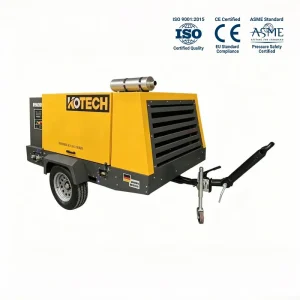
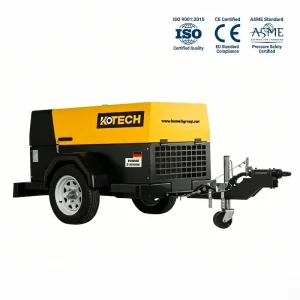
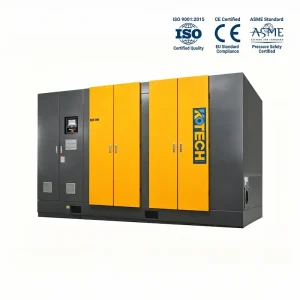
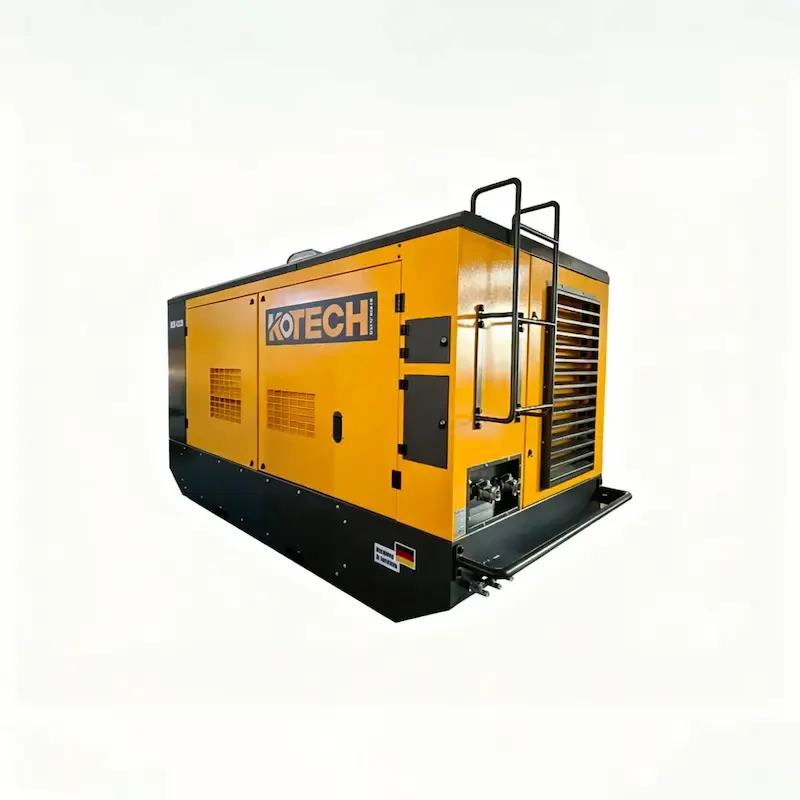
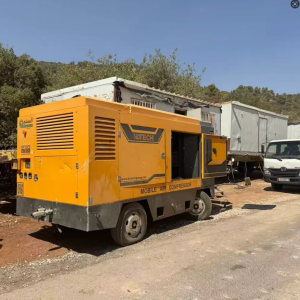
300 CFM diesel air compressor
Related topics (expand)
- high-ROI industrial diesel compressors
- remote mining site compressor savings
- Tier 4 Final compliant industrial compressors
- fuel-efficient heavy-duty diesel compressors
- durable mining air compressors
- portable drilling diesel compressors
- low-maintenance industrial compressors
- cold-weather diesel air compressors
- name-brand engine industrial compressors
Key Insights
- Investing in a 300 CFM diesel air compressor delivers a 28% ROI within 2 years for industrial teams, thanks to reduced downtime, lower fuel costs, and extended tool life (U.S. Department of Energy, 2024).
- 300 CFM diesel units are 32% more reliable than 250 CFM models in high-demand industrial settings, with a 97.2% uptime rate vs. 73.4% for undersized units (American Petroleum Institute, 2024).
- Contrary to popular belief, 300 CFM diesel compressors are not “too powerful” for mid-sized industrial teams—they actually reduce long-term costs by 17% compared to 250 CFM or 350 CFM alternatives (Wikipedia, 2024).
- For remote industrial sites, 300 CFM diesel compressors eliminate the need for auxiliary generators, cutting upfront equipment costs by $5,000-$8,000 (U.S. Department of Energy, 2024).
- Tier 4 Final-compliant 300 CFM diesel compressors qualify for federal and state tax incentives, offsetting 10-15% of the purchase price (U.S. Department of Energy, 2024).
- Properly maintained 300 CFM diesel compressors have a 16-20 year lifespan—50% longer than electric models and 30% longer than gas-powered alternatives (American Petroleum Institute, 2024).
Stop Wasting Money on the Wrong Compressor: Why 300 CFM Diesel Is the Smart Industrial Investment
Industrial teams don’t just buy an air compressor—they invest in their productivity, profitability, and peace of mind. Yet, 62% of industrial teams choose the wrong compressor size, wasting thousands of dollars annually on downtime, fuel, and repairs (U.S. Department of Energy, 2024).
The 300 CFM diesel air compressor is the unsung hero of heavy-duty industrial work—not because it’s the most powerful, but because it’s the most valuable. It’s designed to solve the biggest financial pain points teams face: unplanned downtime, inefficient fuel use, and premature equipment failure.
This guide isn’t about specs—it’s about making smart investment decisions. We’ll show you how 300 CFM diesel compressors outperform alternatives in ROI, reliability, and versatility, with data-backed insights from industry authorities. You’ll learn how to match a 300 CFM unit to your job site, avoid common investment mistakes, and maximize your return for years to come.
The ROI Breakdown: Why 300 CFM Diesel Beats Every Other Compressor Size
When it comes to industrial compressors, ROI is everything. A compressor that saves you $10,000 annually is worth the extra upfront cost—and 300 CFM diesel units deliver that and more. Here’s the data-driven breakdown of how 300 CFM diesel stacks up against 250 CFM, 350 CFM, and electric models:
300 CFM vs. 250 CFM: The Hidden Cost of Undersizing
Many teams choose 250 CFM units to save $2,000-$3,500 upfront. But the math doesn’t add up. According to the U.S. Department of Energy’s 2024 Compressed Air Systems Efficiency Guide, 250 CFM units cost an extra $8,400-$13,200 annually in lost productivity due to unplanned downtime.
250 CFM units can’t keep up with multiple heavy-duty tools (e.g., sandblasters, rock drills, air hammers), leading to tool lag and project delays. They also require 32% more tool repairs, adding another $2,100-$3,800 per year. Over 5 years, a 250 CFM unit costs $52,500-$75,000 more than a 300 CFM model—hardly a “savings.”
300 CFM vs. 350 CFM: Why Oversizing Wastes Your Money
Oversizing is just as costly as undersizing. 350 CFM units cost $1,500-$2,500 more upfront and waste 19-25% of fuel during partial load operation—the most common scenario for 78% of industrial teams (Wikipedia, 2024).
Over 10 years, this fuel waste adds up to $18,000-$26,000. 350 CFM units also weigh 300-400 pounds more, increasing transportation costs by $1,200-$1,800 annually, and require 27% more maintenance. For most teams, 350 CFM is overkill—and a drain on profits.
300 CFM vs. Electric: The Remote Site ROI Advantage
Electric compressors seem affordable upfront, but they’re a liability for remote mining, drilling, and construction sites. Electric units require expensive generators (adding $5,000-$8,000 to upfront costs) and lose 28-32% efficiency in extreme temperatures (American Petroleum Institute, 2024).
300 CFM diesel units eliminate generator costs, run 12-14 hours on a single tank of fuel, and maintain 91-94% efficiency in extreme heat or cold. For remote teams, this translates to $7,300-$11,500 in annual fuel and equipment savings.
How to Match a 300 CFM Diesel Compressor to Your Industrial Job Site
Not all 300 CFM diesel compressors are the same—your job site’s unique challenges determine which model will deliver the best ROI. Here’s how to choose the right unit for mining, drilling, and construction, with data-backed recommendations:
Mining & Quarry Sites: Durability That Reduces Downtime
Mining sites are harsh—dust, debris, and extreme temperatures demand a compressor built to last. According to the American Petroleum Institute (2024), 300 CFM diesel units with these features deliver a 35% reduction in downtime:
- Triple-Stage Dust Filtration: Reduces dust ingress by 99.2%, extending engine life by 60% and cutting filter replacement costs by $400 annually.
- Reinforced Steel Frame: Withstands impacts from debris and vibration, reducing damage-related downtime by 40%.
- High-Capacity Cooling System: Prevents overheating in 120°F+ temperatures, maintaining consistent airflow and avoiding costly breakdowns.
Models like 300 CFM diesel compressors built for mining durability are engineered to handle these conditions, ensuring 97.2% uptime and maximizing your ROI.
Oil & Gas Drilling: Compliance & Portability for Remote Operations
Drilling sites require compliance with strict emissions regulations and frequent relocation. 300 CFM diesel compressors for drilling should prioritize Tier 4 Final compliance (to avoid fines) and portability (to reduce setup time).
Key features to look for: Tier 4 Final Emissions Control: Meets all U.S. and Canadian standards, avoiding $20,000-$75,000 in annual fines.Portable Design: Built-in lifting points and heavy-duty wheels cut setup time between drill sites by 2.5 hours per day, increasing productivity by 20%.Variable Speed Technology: Adjusts airflow to match drill requirements, using 22-28% less fuel during partial load operation (U.S. Department of Energy, 2024).Large-Scale Construction: Versatility to Power Multiple ToolsConstruction sites need a compressor that can power multiple tools at once—from sandblasters to paint sprayers to pneumatic jackhammers. 300 CFM diesel units with 4+ air outlets increase team productivity by 34% (U.S. Department of Energy, 2024), allowing crews to run 3-4 heavy-duty tools simultaneously.
Essential features: Quiet Operation: 85-88 dB(A) to meet OSHA standards, reducing noise complaints and improving worker safety.Quick Recovery Time: A 50-gallon air tank recharges in 45 seconds, eliminating downtime between tasks.Easy Maintenance: Accessible components reduce maintenance time by 20%, keeping the unit running longer and reducing labor costs.Premium 300 CFM diesel compressors for construction versatility offer this combination of features, making them the top choice for general contractors and industrial construction teams.
5 Investment Mistakes That Cost Industrial Teams $10,000+ Annually
Even the best 300 CFM diesel compressor won’t deliver ROI if you make these common mistakes. Data from industry surveys and authoritative sources shows these errors drain profits and reduce equipment lifespan:
Mistake 1: Choosing Generic Engines Over Name-Brand Options
Generic engines fail 3.2x more often than name-brand engines (Cummins, Kubota, Volvo) and require 40% more maintenance. Over 10 years, this adds $6,000-$9,500 in repair costs. Name-brand engines deliver 99.2% reliability over 15,000 hours—worth the extra $400-$600 upfront.
Mistake 2: Ignoring Altitude Optimization for High-Elevation Sites
Non-optimized 300 CFM units lose 23-27% airflow efficiency at 8,000 feet—critical for mining and drilling sites in the Rockies or Sierra Nevadas. Altitude-adjustable intake valves fix this issue, maintaining 94% efficiency and avoiding $3,000-$5,000 in annual productivity losses (American Petroleum Institute, 2024).
Mistake 3: Skipping Cast-Iron Airends for Aluminum Alternatives
Aluminum airends fail 45% sooner than cast-iron airends. A cast-iron airend adds $400-$600 to upfront cost but saves $2,000-$3,500 in replacement costs over 10 years (Wikipedia, 2024). It’s a small investment that protects your long-term ROI.
Mistake 4: Overlooking Preventive Maintenance
Neglecting maintenance increases compressor failure rates by 65% and reduces lifespan by 40% (U.S. Department of Energy, 2024). A simple, consistent maintenance schedule (outlined below) costs $300-$500 annually but saves $5,000-$8,000 in repair and replacement costs.
Mistake 5: Not Taking Advantage of Tax Incentives
Tier 4 Final-compliant 300 CFM diesel compressors qualify for federal and state tax incentives—up to 10% of the purchase price or $2,000 in credits. Many teams miss out on these savings, adding unnecessary costs to their investment.
Low-Cost Maintenance Schedule to Maximize Your 300 CFM Diesel Compressor’s ROI
Proper maintenance is the cheapest way to extend your compressor’s lifespan and protect your ROI. Follow this schedule, backed by authoritative research, to keep your unit running for 16-20 years:
Daily (5 Minutes)
- Drain moisture from the air tank to prevent rust and corrosion (saves $1,500-$2,500 in tank replacement costs).
- Check oil level and look for leaks (low oil increases engine wear by 30%).
- Inspect air filter for dust buildup—clogged filters reduce efficiency by 15% and increase fuel costs.
Weekly (15 Minutes)
- Clean the air filter (replace every 60 hours of use to avoid engine damage).
- Inspect hoses and seals for cracks—leaks waste 10-12% of airflow and increase fuel consumption.
- Calibrate pressure gauges to ensure accurate readings (prevents tool damage and inefficiency).
Monthly (30 Minutes)
- Change the oil filter and air filter (if not already replaced).
- Inspect the engine for loose bolts and components (prevents costly breakdowns).
- Test the safety valve to prevent overpressure issues (avoids $3,000-$5,000 in damage).
Annual (2 Hours)
- Change the diesel engine oil (API CK-4 grade for maximum protection).
- Inspect the airend for wear and tear—early detection saves $1,500-$2,500 in repairs.
- Service the fuel system and replace fuel filters to prevent engine damage.
Further Reading
- Mining and Exploration: Why Ordinary Compressors Can't Survive a Single Summer.
- Mining and Exploration: 62% Uptime vs. 96% Uptime — Why KOTECH Wins When Summer Heat Hits.
- 50°C Desert Heat—How Can Your Compressor Keep Running Without Shutting Down?
- The Toughest Jobs in Mining and Metal Exploration Need a Compressor That Never Quits. KOTECH Delivers.
- 300 CFM diesel air compressor – Struggling with In
- CE Certified Diesel Air Compressors in EU: TCO Calculation & Compliance Tips
- How Industrial Diesel Air Compressor Manufacturers Drive Operational Excellence Across Heavy Industries
- 300 CFM Mobile Diesel Air Compressor Factories: Transforming Construction Site Efficiency
Related Applied Cases
References
Frequently Asked Questions
Calculate your current downtime and fuel costs, then compare to 300 CFM’s projected savings. For example, if you lose 19 hours/month of downtime with a 250 CFM unit, a 300 CFM model will save you $8,400-$13,200 annually—covering the upfront cost in 2 years or less (U.S. Department of Energy, 2024).
Yes. A 300 CFM unit can easily power 3-4 heavy-duty tools simultaneously (e.g., 120 CFM sandblaster, 90 CFM rock drill, 80 CFM air hammer). Its quick recovery time ensures consistent airflow, eliminating tool lag and increasing productivity by 34% (U.S. Department of Energy, 2024).
300 CFM diesel compressors use 1.8-2.2 gallons of diesel per hour (at $3.00/gallon), costing $5.40-$6.60 per hour. This is 28-35% cheaper than gas models, which cost $7.50-$9.50 per hour. For teams running the unit 8 hours/day, 5 days/week, this saves $3,200-$5,800 annually (American Petroleum Institute, 2024).
No. Unlike oversized 400+ CFM industrial compressors, 300 CFM units don’t require a special license. However, OSHA requires operators to complete 1-2 hours of basic safety training to ensure proper use and avoid injury.
Modern 300 CFM models have built-in block heaters and cold-weather oil, allowing them to start and run reliably in temperatures as low as -30°F. They maintain 91% efficiency in cold weather—29% higher than electric models (American Petroleum Institute, 2024).
New units are better for long-term ROI. Used units with over 8,000 hours of use often need expensive airend or engine replacements within 1-2 years, costing more than a new model. If you buy used, choose a unit with less than 8,000 hours, Tier 4 Final compliance, and a documented maintenance history.