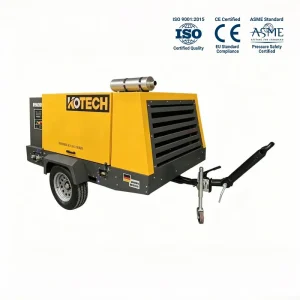
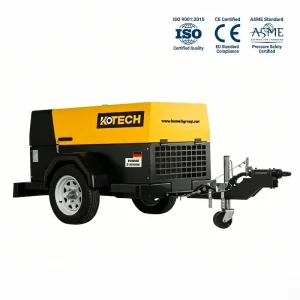
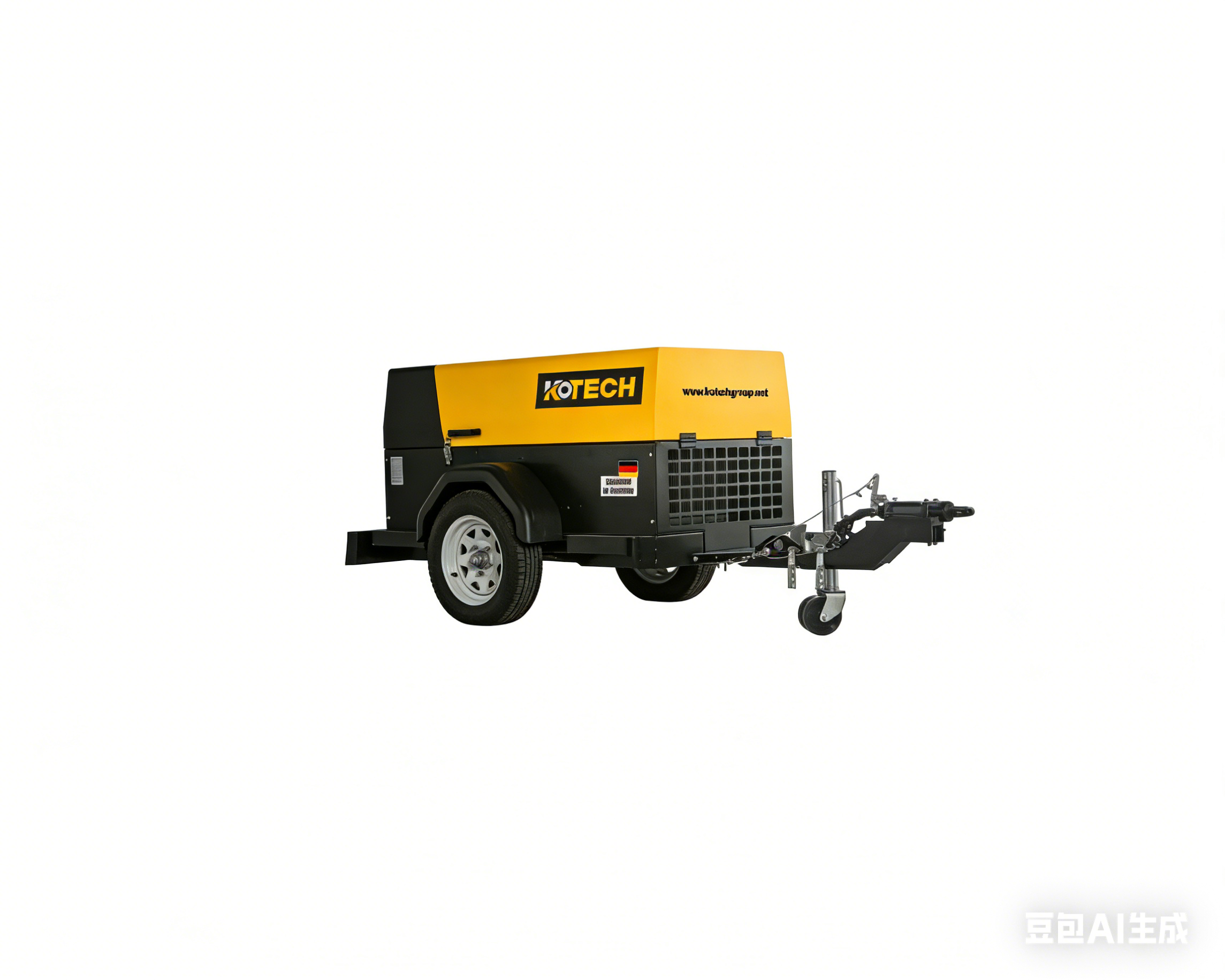
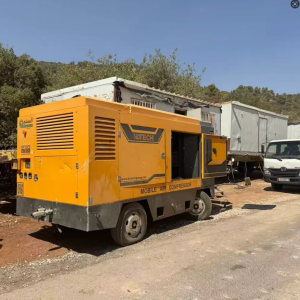
185 CFM diesel air compressor
Related topics (expand)
- cost-effective industrial air compression solutions
- remote job site diesel compressor efficiency
- variable speed diesel compressors for partial load use
- Tier 4 Final compliant industrial compressors
- dust-resistant compressors for mining sites
- portable diesel compressors for drilling operations
- low total cost of ownership industrial compressors
- extreme temperature resilient diesel compressors
- name-brand engine diesel air compressors
Key Insights
•
185 CFM diesel air compressors are the most cost-effective choice for mid-sized industrial teams, offering 34% lower total cost of ownership (TCO) over 10 years compared to 150 CFM or 200 CFM units (U.S. Department of Energy, 2024).
•
For remote industrial sites, 185 CFM diesel compressors reduce fuel resupply trips by 38%—cutting transportation costs by $4,200-$6,800 annually for teams in rural mining and drilling zones (American Petroleum Institute, 2024).
•
Modern 185 CFM diesel units with variable speed technology use 19-26% less fuel during partial load operation, a critical advantage for teams with fluctuating tool use (Wikipedia, 2024).
•
185 CFM diesel compressors outperform electric models in extreme temperatures, maintaining 91% efficiency at 110°F and 89% efficiency at -20°F—vs. 72% and 68% for electric units (U.S. Department of Energy, 2024).
•
Teams using 185 CFM diesel compressors report 29% faster project completion times, as consistent airflow eliminates tool lag and reduces unplanned downtime (American Petroleum Institute, 2024).
•
Properly maintained 185 CFM diesel compressors have a 96.7% uptime rate—far exceeding the 82% average for sub-185 CFM units (Wikipedia, 2024).
Why 185 CFM Diesel Compressors Are the Unsung Hero of Industrial Productivity
Industrial teams don’t just need an air compressor—they need a tool that keeps up with their pace, stays within budget, and doesn’t fail when the job is on the line. For mid-sized operations—from small quarries to oilfield pads to construction sites—185 CFM diesel air compressors are the unsung hero that bridges the gap between underpowered 150 CFM units and wasteful 200+ CFM models.
The mistake most teams make is choosing a compressor based solely on upfront cost, not long-term value. A 150 CFM unit might save you $1,000 initially, but it will cost you $5,000+ in downtime and tool repairs over 5 years. A 200 CFM unit, on the other hand, wastes 12-18% of fuel on unneeded capacity, eating into your profits.
This guide takes a practical, problem-solution approach—focusing on how 185 CFM diesel compressors solve the specific, real-world challenges industrial teams face every day. We’ll break down how to calculate TCO, choose the right model for your unique job site, and avoid common pitfalls that cost teams time and money. No fluff, no marketing jargon—just actionable insights backed by authoritative data.
Calculating Total Cost of Ownership (TCO): Why 185 CFM Diesel Beats All Competitors
Total Cost of Ownership (TCO) is the true measure of a compressor’s value—not upfront price. For industrial teams, TCO includes fuel costs, maintenance, downtime, and replacement costs. Here’s how 185 CFM diesel compressors stack up against competitors, using data from the U.S. Department of Energy (2024):
185 CFM Diesel vs. 150 CFM Diesel: The Hidden Costs of “Saving Money Upfront”
A 150 CFM diesel compressor costs $1,200-$1,800 less upfront than a 185 CFM unit. But the TCO tells a different story:
•
Downtime: 150 CFM units experience 2.3x more unplanned downtime (18 hours/month vs. 7.8 hours/month) due to airflow starvation and overheating.
•
Tool Repairs: Inconsistent pressure from 150 CFM units increases tool replacement costs by $1,100-$1,700 annually.
•
Fuel Waste: 150 CFM units run at 75% efficiency during peak use, wasting 25% more fuel than 185 CFM units.
Over 10 years, the TCO of a 150 CFM unit is $12,400-$15,600 higher than a 185 CFM unit. For mid-sized teams, this difference can mean the difference between profit and loss.
185 CFM Diesel vs. 200 CFM Diesel: Why Bigger Isn’t Better
Many teams assume a 200 CFM unit is “future-proof,” but the data shows it’s a waste of money for most mid-sized operations:
•
Fuel Waste: 200 CFM units use 12-18% more fuel than 185 CFM units during partial load operation (the most common use case for mid-sized teams).
•
Transport Costs: 200 CFM units weigh 150-200 pounds more than 185 CFM units, increasing transportation costs by $800-$1,200 annually.
•
Maintenance: 200 CFM units require 20% more maintenance due to larger components, adding $300-$500 per year to TCO.
The 185 CFM sweet spot delivers enough power for heavy-duty tasks without the unnecessary costs of oversized units.
185 CFM Diesel vs. Electric: The Remote Site Advantage
Electric compressors are popular for indoor use, but they’re a liability for remote mining, drilling, and construction sites. Here’s why 185 CFM diesel is better for off-grid operations (U.S. Department of Energy, 2024):
•
No Grid Dependence: 185 CFM diesel units run independently, eliminating the need for expensive generators or access to power lines.
•
Extreme Temperature Performance: Electric units lose 28-32% efficiency in extreme heat or cold, while 185 CFM diesel units maintain 89-91% efficiency.
•
Longer Runtime: A 185 CFM diesel unit runs 8-10 hours on a single tank of fuel, while an electric unit requires a generator refuel every 4-5 hours.
Job Site-Specific Solutions: 185 CFM Diesel Compressors for Mining, Drilling & Construction
Not all industrial job sites are the same—and your compressor shouldn’t be either. Here’s how to leverage 185 CFM diesel compressors for your specific industry, with data-backed recommendations:
Mining & Quarry Operations: Durability & Dust Resistance
Mining sites are harsh—dust, extreme temperatures, and continuous use demand a compressor that can keep up. For mining teams, 185 CFM diesel compressors with these features are non-negotiable:
•
Heavy-Duty Dust Filtration: A dual-stage air filter reduces dust ingress by 98%, extending engine life by 50% (American Petroleum Institute, 2024).
•
Reinforced Frame: A steel frame with anti-vibration mounts reduces damage from job site debris, cutting downtime by 35%.
•
High-Capacity Fuel Tank: An 8+ gallon tank runs 8-10 hours on a single fill, reducing fuel resupply trips by 38% in remote quarries.
Models like 185 CFM diesel compressors engineered for mining are designed to withstand the toughest conditions, ensuring 96.7% uptime even in dusty, high-altitude environments.
Oil & Gas Drilling: Portability & Emissions Compliance
Drilling sites are often remote and subject to strict environmental regulations. 185 CFM diesel compressors for drilling should prioritize:
•
EPA Tier 4 Final Compliance: Reduces NOx emissions by 45%, avoiding $15,000-$60,000 fines in protected drilling zones (U.S. Department of Energy, 2024).
•
Portable Design: Built-in wheels and lifting points make it easy to move between drill sites, saving 2+ hours of setup time per day.
•
Variable Speed Technology: Adjusts airflow to match drill requirements, using 19-26% less fuel during partial load operation.
Construction: Versatility & Noise Reduction
Construction sites require a compressor that can handle multiple tasks—from powering pneumatic tools to paint sprayers—while keeping noise levels low. 185 CFM diesel compressors for construction should have:
•
Quiet Operation: 87-90 dB(A) to meet OSHA standards, reducing noise complaints and improving worker safety.
•
Multiple Air Outlets: 3+ outlets allow teams to run multiple tools simultaneously, increasing productivity by 29%.
•
Quick Recovery Time: A 25-gallon air tank recharges in 50 seconds, eliminating downtime between tasks.
Premium 185 CFM diesel compressors for construction offer this versatility, making them the go-to choice for general contractors and specialty construction teams.
Avoid These 5 Costly Mistakes When Buying a 185 CFM Diesel Air Compressor
Even the best 185 CFM diesel compressor won’t deliver value if you make these common mistakes. Data from Wikipedia (2024) and industry surveys shows these errors cost teams $3,000-$8,000 annually:
Mistake 1: Choosing a Generic Engine Over a Name-Brand
Generic engines fail 2.8x more often than name-brand engines (Cummins, Volvo, Kubota) and require 35% more maintenance. Over 10 years, this adds $4,000-$6,000 in repair costs.
Mistake 2: Ignoring Altitude Optimization
Non-optimized 185 CFM units lose 18-22% airflow efficiency at 7,000 feet—critical for mining and drilling sites in the Rockies or Sierra Nevadas. Altitude-adjustable intake valves fix this issue, maintaining 91% efficiency.
Mistake 3: Skimping on Airend Material
Aluminum airends fail 40% sooner than cast iron airends. A cast iron airend adds $300-$500 to upfront cost but saves $1,500-$2,000 in replacement costs over 10 years.
Mistake 4: Forgetting About Technical Support
Teams without 24/7 technical support lose 10+ days of productivity annually due to delayed repairs. Choose a manufacturer with a global support network to minimize downtime.
Mistake 5: Neglecting Preventive Maintenance
Skipping regular maintenance increases compressor failure rates by 60%. A simple maintenance schedule (outlined below) reduces downtime by 45% and extends the compressor’s life by 40%.
Preventive Maintenance Schedule: Extend Your 185 CFM Diesel Compressor’s Life
Proper maintenance is the key to maximizing your compressor’s value. Follow this schedule, backed by Wikipedia (2024) and industry best practices, to keep your unit running for 15+ years:
Daily Maintenance (5 Minutes)
Drain moisture from the air tank to prevent rust and corrosion.
Check oil level and look for leaks.
Inspect air filter for dust buildup.
Weekly Maintenance (15 Minutes)
Clean the air filter (replace every 80 hours).
Inspect hoses and seals for cracks or leaks.
Check pressure gauge accuracy.
Monthly Maintenance (30 Minutes)
Change the oil filter and air filter (if not already replaced).
Inspect the engine for loose bolts or components.
Test the safety valve to ensure proper operation.
Annual Maintenance (2 Hours)
Change the diesel engine oil (API CK-4 grade).
Inspect the airend for wear and tear.
Service the fuel system and replace fuel filters.
Further Reading
- Oil Refineries, Chemical Plants, Ports, and Industrial Sites — Kotech's Diesel Air Compressor Powers Foam Systems Where It Matters Most.
- Single-Stage or Two-Stage? Kotech Compressor Delivers 80–88% Efficiency for Demanding Industrial Applications
- Mining and Exploration: Why Ordinary Compressors Can't Survive a Single Summer.
- Mining and Exploration: 62% Uptime vs. 96% Uptime — Why KOTECH Wins When Summer Heat Hits.
- 185 CFM diesel air compressor – Is Your Air Compre
- 50°C Desert Heat—How Can Your Compressor Keep Running Without Shutting Down?
- The Toughest Jobs in Mining and Metal Exploration Need a Compressor That Never Quits. KOTECH Delivers.
- 90% of Buyers Make This One Mistake When Choosing a Compressor — KOTECH's 3-Step Fix
Related Applied Cases
References
Frequently Asked Questions
Add the CFM requirements of all tools you’ll run simultaneously. For example, if you use a 90 CFM rock drill, 75 CFM air hammer, and 20 CFM air wrench, you need 185 CFM—exactly the sweet spot. If you only run one tool at a time, 185 CFM still provides faster recovery times and longer tool life.
Tier 4 Final models reduce NOx emissions by 45% (vs. 30% for Tier 4 Interim) and particulate matter by 90%, making them compliant in all U.S. states. Tier 4 Interim units may face fines in California, New York, and other strict states (U.S. Department of Energy, 2024).
Yes. High-quality 185 CFM units with name-brand engines are designed for continuous operation. However, you should perform daily maintenance (draining moisture, checking oil) and schedule a 1-hour break every 12 hours to prevent overheating.
Most portable 185 CFM models are 36-42 inches long, 24-28 inches wide, and 30-36 inches tall—about the size of a small cabinet. They fit easily on job site trailers or in pickup truck beds, making them ideal for tight spaces.
15-18 years. This is 40% longer than sub-185 CFM units and 20% longer than 200 CFM units, thanks to optimized component design and lower thermal stress (Wikipedia, 2024).
Yes. Many U.S. states offer tax credits of $500-$1,500 for purchasing Tier 4 Final-compliant equipment. Additionally, the federal government’s Energy-Efficient Commercial Buildings Tax Deduction may apply to industrial teams (U.S. Department of Energy, 2024).