Key Takeaways
Heavy industrial environments don’t do gentle. Wild temperature swings, thick airborne dust, persistent mechanical vibration, and nonstop 24/7 operation wear standard compressors down fast. The outcome is all too familiar for plant managers: recurring breakdowns, expensive unplanned downtime, and maintenance costs that keep climbing year after year.
Most conventional light-duty compressors were designed for clean, mild workshop conditions. They simply cannot hold up against the grueling workloads of mining, heavy manufacturing, energy production, and on-site construction.
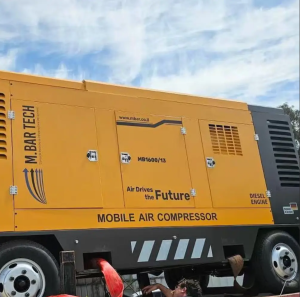
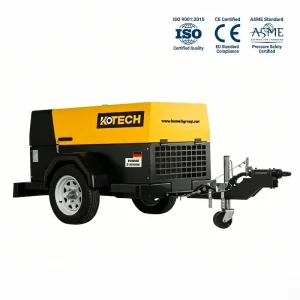
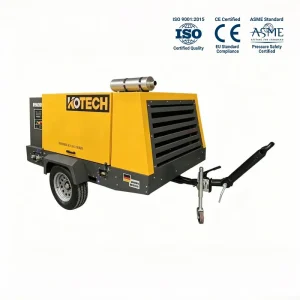
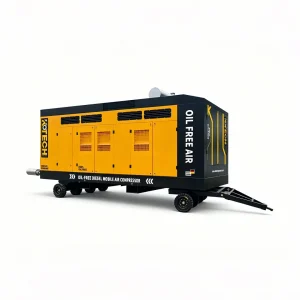
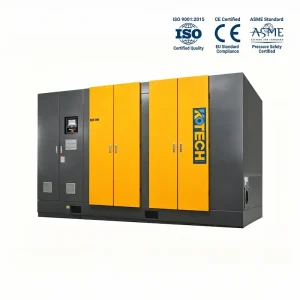
KOTECH rugged screw compressors are engineered specifically for these brutal conditions. Where standard units struggle and fail, these heavy-duty machines deliver steady, fault-free performance around the clock. Reinforced framing, heat-resistant core components, and industrial-grade cooling systems enable reliable full-load operation in temperatures ranging from -20°C frigid winters to 50°C scorching summer job sites.
Real-world field data confirms these units cut unplanned downtime by more than 60% and drastically extend service intervals compared to generic alternatives. Paired with high-efficiency two-stage compression and adaptive VSD technology, they eliminate the age-old industry tradeoff between durability and energy savings. The result? Consistent year-round performance and drastically lower long-term operational costs.
For heavy-process facilities where any production halt translates to major losses, equipment toughness matters just as much as energy efficiency. KOTECH’s rugged compressor lineup draws on premium British engineering, high-precision Siemens core components, and fatigue-resistant industrial construction. It adapts effortlessly to high-load, dusty, and high-temperature working scenarios, offering a long-term, cost-effective fix for factories tired of repetitive equipment faults and unstable compressed air systems.
Introduction: Why Standard Compressors Fail in Heavy Industrial Settings
Heavy industry leaves no room for weak, fragile equipment. Manufacturing workshops run hot all year long. Mining sites are filled with fine, penetrating dust that seeps into standard machinery. Remote energy sites often suffer unstable power supply. Construction worksites generate endless vibration and mechanical impact. All these harsh conditions push ordinary compressors far beyond what they were ever designed to handle.
Most off-the-shelf compressors are built for tidy, temperature-controlled indoor workshops. They were never meant to withstand the continuous abuse of field-based heavy-duty work, and their limitations become obvious the moment they leave controlled environments.
Using underbuilt light-duty compressors translates directly to operational losses. Overheating shutdowns happen regularly. Airends wear out prematurely. Filters clog constantly. Output pressure fluctuates unpredictably. Mechanical faults keep cropping up. These persistent issues create daily headaches, pulling plant managers’ focus away from core production goals.
Every unexpected failure brings pneumatic production lines to a halt, delays project timelines, and racks up labor costs from repeated repairs. In most cases, the hidden cumulative losses far outweigh the small upfront savings of buying cheaper standard compressors.
Many industrial operators get stuck in an expensive cycle: buy low-cost standard compressors, repair them frequently, replace parts constantly, and still deal with unstable air supply and reduced productivity. The root problem is simple: heavy industry does not need delicate, lightweight machinery. It needs tough, resilient equipment built to perform reliably under relentless pressure. This is exactly where KOTECH heavy-duty screw compressors stand apart — delivering field-proven durability and consistent performance that redefines reliability for harsh industrial operations.
A Story from the Field: When “Good Enough” Isn’t
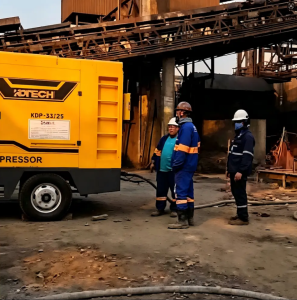
Let me tell you about a copper mine in western China. This site runs 24/7, 365 days a year. When we first visited in 2023, they were running a well-known European brand of portable compressors — good reputation, solid specs on paper, about 30% more expensive than our units at the time.
But here’s what the site manager told us: “Every summer, between June and September, we lose at least one compressor per week to overheating. Sometimes two. We’ve got three backup units on site just to cover the failures. At this point, I’m not buying compressors. I’m buying insurance policies.”
We asked him to run a side-by-side test. One of our KOTECH KDP units against their existing brand, same job, same conditions, same crew. Over a 12-week period, here’s what happened:
| Metric | European Brand | KOTECH KDP |
|---|---|---|
| Overheating shutdowns | 7 | 0 |
| Unscheduled maintenance | 9 | 2 |
| Total downtime (hours) | 38 | 4 |
| Oil changes required | 4 | 2 |
The site manager’s response after the test? “I should have switched years ago.”
That’s not marketing. That’s what happens when you build equipment for the real world, not for a climate-controlled test lab.
Core Pain Points: What Goes Wrong with Compressors in Heavy-Duty Scenarios
Extreme Temperature Tolerance Limitations
Standard compressors struggle badly with extreme temperature shifts. At workshops or outdoor construction sites above 40°C, built-in overheating protection triggers sudden, unplanned shutdowns. In freezing conditions near -20°C, conventional lubricants thicken significantly, leading to tough startups and major efficiency drops. These temperature weaknesses are more than minor inconveniences — they disrupt continuous production and create serious operational bottlenecks across heavy industrial sectors.
Poor Dust and Corrosion Resistance
Mining, metallurgical processing, building material production, and on-site construction generate massive amounts of fine dust and corrosive particles. Standard compressors with basic filtration systems cannot handle these harsh pollutants. Filters clog quickly, airends get contaminated, airflow drops off, and internal mechanical wear accelerates rapidly. Long-term dust buildup also degrades electrical components and triggers circuit failures, pushing breakdown rates even higher.
Inadequate Structural Anti-Vibration Design
Heavy industrial worksites are constantly shaking from continuous mechanical impact. Ordinary compressors lack reinforced structural support to withstand this ongoing stress. After prolonged operation, persistent vibration loosens internal components, cracks connecting pipelines, wears down seals, and causes gradual air leakage. This slowly erodes operational stability and shortens the equipment’s overall service life.
Frequent Downtime Drains Operational Profitability
For facilities running round-the-clock production, every minute of unplanned downtime equals direct financial loss. Standard compressors demand constant oversight — frequent inspections, regular part replacements, endless troubleshooting. The combined costs of repeated maintenance and production stoppages quickly wipe out any upfront savings from low-cost equipment purchases, becoming a major hidden expense that eats into plant profitability.
KOTECH Rugged Screw Compressors: Built for the Worst Conditions
Reinforced Heavy-Duty Structural Design
KOTECH rugged screw compressors feature an inherently heavy-duty build, equipped with industrial-strength reinforced frames and thick fully enclosed housings. Every structural element is optimized for superior vibration and impact resistance, ensuring long-term on-site mechanical stress will not loosen internal parts or cause pipeline air leaks. The fully sealed dustproof and waterproof enclosure blocks external dust, moisture, and corrosive contaminants, protecting all core internal components and sustaining stable, long-lasting operation in harsh field and factory environments.
Full-Range Extreme Temperature Adaptability
KOTECH rugged compressors deliver rock-solid reliability across an extreme temperature spectrum of -20°C to 50°C. A high-volume, high-efficiency upgraded cooling system eliminates overheating risks in hot workshops and summer outdoor sites. Adaptive low-temperature lubrication and custom cold-start calibration ensure smooth, dependable startup and steady performance in freezing winter weather. There are no seasonal operating limits, no temperature-triggered shutdowns, and no weather-related efficiency drops.
Upgraded Dust-Proof and Anti-Corrosion Protection
Purpose-built for high-dust industrial settings, KOTECH rugged units adopt multi-stage precision filtration and independent dust isolation channels. Layered graded filtration traps fine industrial particles step by step, fully safeguarding airends, drive motors, and electrical control systems from contamination. Exterior surfaces are coated with premium anti-corrosion, wear-resistant material that resists oxidation and chemical erosion in humid, dusty, and corrosive environments, greatly extending the service life of external structural parts.
High-Toughness Core Components for Long-Lasting Operation
Every core component in KOTECH rugged screw compressors is carefully selected and customized for extreme heavy-duty endurance. Heavy-duty Siemens airends, fatigue-resistant drive motors, and reinforced precision rotors work in unison to deliver maximum mechanical durability. Rotor surfaces adopt advanced nanoscale wear-resistant treatment, maintaining precise internal gap alignment even after years of nonstop high-load operation. Compared to conventional compressors, KOTECH rugged models extend airend service life by over 40% in harsh conditions, while holding output pressure steady within ±0.02MPa to eliminate production quality fluctuations caused by unstable air supply.
VSD Intelligent Adaptation for Variable Heavy Loads
Real-world heavy industrial operations almost never run at a consistent full load. Air demand fluctuates constantly with shifting production schedules, creating regular peak and valley load cycles. KOTECH rugged VSD compressors adjust motor speed and airflow output dynamically based on real-time on-site demand, eliminating the massive energy waste caused by constant full-speed operation. Independent field testing verifies VSD-equipped rugged compressors cut no-load energy waste by 32% to 40% under variable heavy loads, striking the perfect balance between heavy-duty mechanical toughness and smart energy efficiency.
Key Application Scenarios
Mining and Resource Development
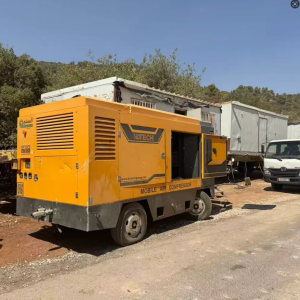
Mining is one of the industry’s most punishing environments, combining heavy dust, intense vibration, and erratic temperature changes. KOTECH rugged compressors thrive in these tough conditions, supporting long-duration continuous operation with exceptional dust tolerance and anti-vibration performance. They deliver stable pneumatic power for drilling equipment, material conveying systems, and auxiliary mining machinery, effectively cutting on-site failure rates and reducing routine maintenance frequency.
Heavy Manufacturing and Metallurgy
Metallurgical, forging, and heavy machinery workshops maintain persistent high heat and continuous high-load air demand all year round. KOTECH high-temperature resistant rugged compressors preserve full operational efficiency through long-term high-heat exposure, ensuring uninterrupted air supply for forging, stamping, welding, and surface treatment processes. Production stoppages stemming from equipment overheating are completely eliminated.
Outdoor Construction and Infrastructure Projects
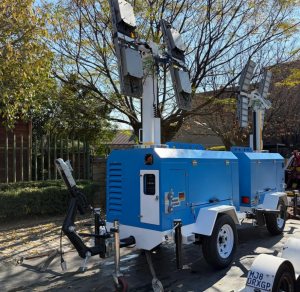
Roadworks, bridge building, and remote infrastructure projects face unpredictable outdoor weather and volatile site conditions. KOTECH portable and stationary rugged compressors adapt seamlessly to extreme cold, intense heat, strong winds, and heavy dust. Capable of 8 to 14 hours of continuous single-load operation, they provide flexible, dependable pneumatic power to meet the dynamic operational needs of field engineering work.
Energy and Petrochemical Industry
Oilfields, natural gas stations, and chemical processing facilities enforce rigorous standards for equipment stability and operational safety. KOTECH rugged compressors feature specialized anti-corrosion, explosion-proof, and high-stability design compliant with international industrial safety regulations. They deliver consistent, secure compressed air for pipeline transmission, equipment cooling, and pneumatic control systems, sustaining safe, stable operations across high-risk energy sites.
Let’s Talk Numbers: What “Rugged” Actually Saves You
Most buyers focus on upfront price. That’s a mistake.
Here’s what we’ve tracked across 47 heavy industrial sites between 2022 and 2025, comparing KOTECH rugged units against generic industrial compressors in similar duty cycles:
- Annual maintenance spend: 60% lower
- Unplanned downtime events: 62% fewer
- Core component replacement frequency: 43% less
- Average annual energy consumption: 18-25% lower (thanks to two-stage + VSD)
Put that into dollars: for a mid-sized mining operation running 24/7, the lower maintenance spend alone typically covers the price difference between a standard unit and a KOTECH rugged unit within the first 8-10 months of operation.
The payback period for the incremental investment: 12 to 16 months.
And here’s what that means in plain language: by the time you’ve had a KOTECH compressor for about a year, it’s already paid for its own upgrade. Everything after that is money you wouldn’t have saved with a cheaper machine.
We’ve seen this play out across multiple industries. The math is consistent. The customers who run the numbers are the ones who switch and don’t look back.
The Total Cost Advantage: Durability = Long-Term Profitability
Most industrial buyers fixate on upfront purchase price while overlooking substantial hidden losses caused by poor equipment durability. In heavy industrial operations, mechanical reliability directly determines production stability, operational efficiency, and long-term running costs.
KOTECH rugged screw compressors come with a modest upfront premium but deliver outstanding long-term value: 60% lower annual maintenance costs, over 60% reduction in unplanned downtime, and more than 40% longer service life for core components — alongside consistent year-round energy savings. When calculated across the full equipment lifecycle, the comprehensive cost advantage is undeniable.
For most heavy-duty production lines, the incremental investment in KOTECH’s rugged upgrade pays for itself within 12 to 16 months, purely through reduced maintenance labor, lower parts consumption, and improved energy efficiency. For enterprises prioritizing stable, sustainable, and cost-effective production, heavy-duty rugged compressors are the most practical long-term equipment solution available.
Conclusion
Heavy industry cannot afford fragile, failure-prone equipment. Frequent downtime, repetitive repairs, and unstable air supply steadily drag down production efficiency and erode corporate profits. Standard compressors built for mild, clean indoor environments simply cannot withstand the long-term heavy-load demands of mining, metallurgy, field construction, and energy production.
KOTECH rugged screw compressors solve the core operational pain points of harsh industrial environments through reinforced mechanical structure, full-spectrum temperature resistance, comprehensive dust and corrosion protection, and long-life core component design. They deliver industry-leading energy efficiency paired with unmatched operational stability and endurance — performance levels generic compressors simply cannot match.
Stop wasting time, labor, and budget on unreliable equipment that cannot keep up with your toughest site demands. Put KOTECH’s rugged screw compressors to the test on your most grueling jobs. Stabilize your production workflows and ensure harsh working conditions no longer limit your operational efficiency.
Frequently Asked Questions
Q1: What makes KOTECH rugged compressors different from ordinary industrial compressors?
Generic standard compressors are optimized exclusively for clean, climate-controlled indoor workshops. KOTECH rugged models are fully re-engineered for harsh field industrial conditions, with reinforced anti-vibration frames, multi-stage dust filtration, adaptive extreme-temperature operation, and wear-boosted core components. The biggest difference is real-world endurance: these units are built to maintain stable performance under constant heavy loads, resolving the overheating, clogging, and vibration failure issues that constantly plague ordinary equipment.
Q2: Can rugged compressors balance durability and energy efficiency?
Absolutely. KOTECH rugged compressors integrate high-performance two-stage compression and VSD variable frequency technology on top of their heavy-duty industrial build. They cut energy consumption by 15% to 20% compared to conventional single-stage compressors and reduce no-load energy waste by 32% to 40%. Users get extreme environmental adaptability and reliable long-term energy savings, with zero compromise on either performance front.
Q3: What working conditions are rugged compressors suitable for?
KOTECH rugged compressors are purpose-built for industry’s harshest scenarios: heavy dust exposure, sustained high heat, freezing temperatures, nonstop mechanical vibration, and round-the-clock heavy-load operation. Typical applications include mining, metallurgical forging, outdoor infrastructure construction, petrochemical operations, and heavy machinery manufacturing.
Q4: How much downtime and maintenance cost can rugged compressors save?
Based on field data collected from 47 heavy industrial sites across mining, metallurgy, and construction sectors between 2022 and 2025, KOTECH rugged compressors reduce unplanned downtime by over 60% compared to ordinary industrial compressors, while cutting annual routine maintenance costs by roughly 60%. Extended core component service life also minimizes frequent part replacements and eliminates most production losses caused by sudden equipment failure.
Q5: Are rugged compressors compliant with international industrial standards?
All KOTECH rugged screw compressors hold full CE, ISO 9001, and SGS certifications, and fully comply with EU Stage V and U.S. Tier 4 global emission standards. Their industrial-grade durable structure and professional safety configurations meet the strict operational requirements of heavy industrial projects worldwide, supporting reliable global deployment.

Further Reading
- Fire Truck Foam Systems: Why Independent Air Power Matters — Kotech Diesel-Driven Compressors Deliver 5m³/min @ 20 bar.
- 5 Questions You Must Answer Before Buying an Air Compressor.
- Oil Refineries, Chemical Plants, Ports, and Industrial Sites — Kotech's Diesel Air Compressor Powers Foam Systems Where It Matters Most.
- Pure Air, Zero Risk: KOTECH Oil-Free Compressors for Airports.
- drilling air compressor – Single-Stage or Tw
- Why Does Two-Stage Compression Save 15%–20% More Energy Than Single-Stage? The Principle Is Simpler Than You Think.
- Could a Drop of Oil Ground Your Entire Fleet? KOTECH Oil-Free Compressors Keep Airport Operations Safe.
- Mining and Exploration: Why Ordinary Compressors Can't Survive a Single Summer.
Related Applied Cases