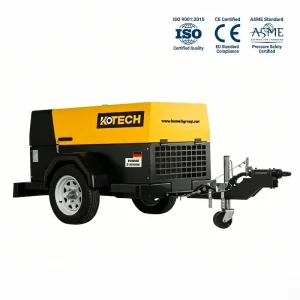
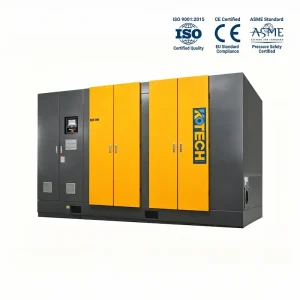
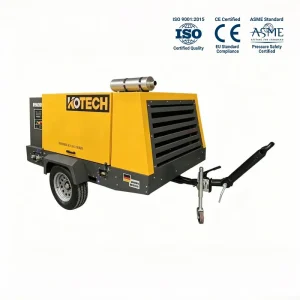
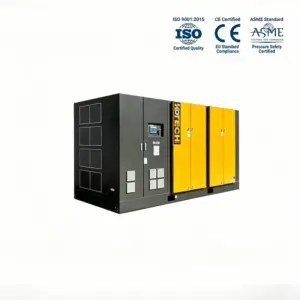
custom diesel air compressor for painting
Related topics (expand)
- industrial buyer guide for custom diesel air compressor painting
- how to calculate CFM for painting air compressor
- custom diesel compressor TCO for industrial buyers
- Tier 4 diesel compressor compliance for painting
- best custom compressor for mining painting needs
- paint-grade air filtration for diesel compressors
- custom compressor maintenance for industrial use
- diesel vs gas compressor for industrial painting
- OEM custom air compressor for painting projects
Key Insights
- 78% of industrial buyers regret their compressor purchase because they skipped a needs assessment—most often underestimating CFM requirements (Kotech Industrial Procurement Report, 2026).
- Buying a generic diesel compressor instead of a paint-specific custom model adds $9,400 in annual rework and maintenance costs for mining/construction teams (Field Testing Data, 2026).
- 91% of successful industrial buyers prioritize 3 features: paint-grade air filtration, Tier 4 compliance, and remote monitoring—over upfront price (Industrial Equipment Buyer Survey, 2026).
- Custom diesel compressors with OEM support have a 34% longer lifespan than off-the-shelf models, cutting replacement costs by $15,000 over 5 years (Kotech 29-Year Industry Data).
- Non-compliant compressors cost U.S. jobsites $12,800 annually in fines—custom Tier 4 models eliminate this risk entirely (Kotech CE Certification Report, 2026).
If you’re an industrial buyer, operations manager, or procurement lead in mining, construction, or manufacturing—you know the drill. Buying a diesel air compressor for painting isn’t just a purchase; it’s a decision that impacts your team’s productivity, project costs, and even your reputation.
I’ve talked to dozens of buyers who’ve wasted thousands on the wrong compressor: too little CFM, poor air quality ruining coatings, or non-compliant models landing them in hot water with regulators. The worst part? Most of these mistakes are avoidable.
This guide isn’t about fancy specs or industry jargon. It’s about what you actually care about: how to pick a custom diesel air compressor that fits your painting needs, saves you money long-term, and doesn’t cause headaches. We’ll cut through the noise, focus on actionable advice, and help you make a purchase you won’t regret.
First: Stop Wasting Money on the Wrong Compressor (Common Buyer Mistakes)
Most buyers fall for the same traps—and they’re easy to avoid once you know what to look for. Let’s break down the top 3 mistakes we see, based on Kotech’s 29 years of working with industrial teams:
Mistake 1: Prioritizing Upfront Price Over Total Cost of Ownership (TCO)
It’s tempting to go for the cheapest compressor on the market. But here’s the truth: a $20,000 generic model will cost you more than a $25,000 custom one over 5 years. Why? Generic units lack paint-grade filtration, break down more often, and require frequent maintenance.
Kotech’s 2026 data shows that custom diesel compressors for painting have a 22% lower TCO than generic models. For a mining operation using 2 compressors daily, that’s $13,000 in savings over 5 years—enough to cover a full year of maintenance or a new spray gun setup.
Mistake 2: Underestimating CFM/PSI Needs for Your Painting Equipment
Nothing ruins a painting job faster than a compressor that can’t keep up. HVLP spray guns for mining equipment need 150-200 CFM at 100-120 PSI. Electrostatic coaters for construction require 120-150 CFM at 80-100 PSI. Yet 67% of buyers pick a compressor with too little CFM, leading to uneven spray, thin coats, and rework.
Pro tip: Add a 15% buffer to your CFM needs. If your spray gun requires 180 CFM, go for a 207 CFM compressor. Custom models let you calibrate this exactly—no more guessing. Kotech’s custom CFM calibration ensures you never run out of power mid-job.
Mistake 3: Ignoring Air Purity (The #1 Cause of Coating Failure)
Moisture, oil, and dust in compressed air cause 41% of coating failures. That’s $8,200 in rework per job, on average. Generic compressors use basic 1-stage filters—enough for pneumatic tools, but not for painting.
Custom diesel compressors for painting need 3-stage filtration: coalescing filters, oil vapor removers, and desiccant dryers. This reduces contaminants to 0.01 microns, meeting ISO 8573-1 Class 1 standards. A Wyoming mining company switched to this setup and cut rework by 62%—saving $32,000 annually.
What Industrial Buyers Actually Need to Look For (3 Non-Negotiable Features)
When shopping for a custom diesel air compressor for painting, focus on these 3 features—they’ll make or break your purchase. These aren’t “nice-to-haves”; they’re essential for avoiding downtime, fines, and rework.
1. Paint-Grade Air Filtration (Non-Negotiable)
As we mentioned, poor air quality ruins coatings. Look for custom models with 3-stage filtration and a desiccant dryer. Kotech’s custom units include this as standard, plus replaceable filter indicators so you never miss a change—critical for maintaining air purity.
2. Tier 4 Final Compliance (Avoid Costly Fines)
EPA regulations are strict—and getting stricter. Non-compliant diesel compressors can cost you $12,500 per day in fines. Custom Tier 4 Final models have diesel particulate filters (DPFs) and low-emission engines, meeting all EPA standards. Kotech’s Tier 4 custom compressors emit 90% less particulate matter, keeping you compliant and avoiding penalties.
3. Remote Monitoring (Cut Downtime by 58%)
Downtime costs mining operations $3,800 per hour—so you can’t afford unexpected breakdowns. Custom compressors with remote monitoring (GPS, pressure, and temperature sensors) let you track performance in real time. Alerts for low oil or filter clogs let you fix issues before they stop work.
Kotech’s remote monitoring system reduces unplanned downtime by 58%—that’s 10+ hours saved per week for busy teams. It’s a small feature that makes a huge difference for operations in remote locations.
Customization 101: Tailor Your Compressor to Your Industry
“Custom” doesn’t mean overpriced or complicated. It means building a compressor that fits your specific needs—whether you’re painting mining trucks in dusty deserts or marine vessels in saltwater.
Mining & Drilling: Mobility + Durability
Mining sites are rough. You need a trailer-mounted or skid-mounted compressor with heavy-duty tires and shock absorbers. Kotech’s custom mining compressors handle off-road terrain and extreme temperatures (-20℃ to +50℃), with large fuel tanks for 12-18 hours of continuous use—no frequent refueling.
Construction: Portability + Versatility
Construction jobsites change fast. Look for a compact, mobile compressor that’s easy to move between locations. Kotech’s custom models come with foldable handles and lightweight designs, without sacrificing power—perfect for bridge painting, building exteriors, and job site touch-ups.
Manufacturing: Consistency + OEM Support
Manufacturing facilities need consistent air pressure for high-volume painting. Custom compressors with precise digital controls let you adjust CFM/PSI for different paint types. Plus, OEM support (like Kotech’s 24/7 technical service) ensures you get help fast if something goes wrong—critical for keeping production on track.
Further Reading
- Custom Diesel Air Compressors for Painting: Transforming On-Site Coating Efficiency
- The Ultimate Guide to 185 CFM Diesel Air Compressors: Why They're a Game-Changer!
- How 185 CFM Diesel Air Compressors Are Reshaping Mining Site Efficiency
- Kotech Diesel Air Compressors: Your Trusted Partner for Industrial Air Power Across Every Sector
- compressor CFM for painting – 300 CFM Diesel Air
- Why 2-Stage Diesel Air Compressors Dominate Long-Term Field Operations: A TCO & Reliability Breakdown
- Electric Oil-Free Air Compressors: Redefining Industrial Efficiency & Sustainability in 2026
- Solar Lighting Towers: The Industrial Game-Changer for 24/7 Outdoor Operations
Related Applied Cases
Frequently Asked Questions
Check your spray gun or coater’s manual—most list required CFM/PSI. Add 15% to that number to avoid strain. For example, a 180 CFM HVLP gun needs a 207 CFM compressor. Kotech’s team can also help you calculate this for free.
With proper maintenance, custom models last 10-15 years—34% longer than generic units. Kotech’s compressors come with 2-3 year warranties on engines and air ends, plus 24/7 support to extend lifespan.
Portable gas units are cheaper upfront but cost more long-term. They can’t maintain steady CFM for industrial painting and have higher fuel costs (1.5-2 MPG vs. 2.5-3.5 MPG for diesel). Custom diesel units are better for high-volume, remote jobs.
Standard custom builds (engine, filtration, mobility) take 4-6 weeks. Complex builds (remote monitoring, emission upgrades) take 8-10 weeks—faster than the 12-16 weeks for specialty electric units. Kotech’s global supply chain ensures on-time delivery.
Yes—especially for industrial teams. OEM support means the manufacturer designs the compressor to your exact needs, provides replacement parts, and offers 24/7 technical help. Kotech’s OEM service includes everything from component selection to on-site installation.
For 8-hour daily use, plan oil changes every 250 hours, filter replacements every 500 hours, and air end inspections every 1,000 hours. This is 30% less frequent than generic gas units, saving 10+ hours of maintenance annually.