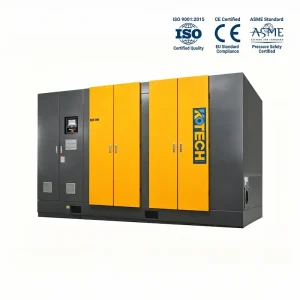
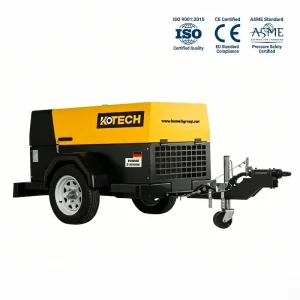
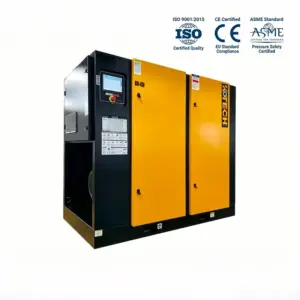
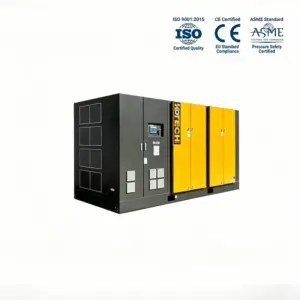
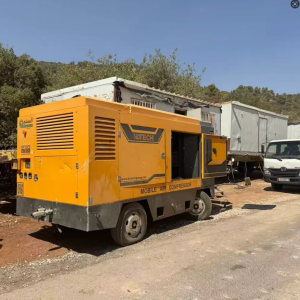
2 stage diesel air compressor for oil drilling
Related topics (expand)
- how to reduce oil drilling compressor downtime
- fuel-efficient compressors for remote oil rigs
- best 2 stage compressor for oilfield operations
- single stage vs 2 stage compressor oil drilling
- offshore oil drilling compressor requirements
- how to calculate compressor ROI for oil rigs
- maintenance tips for oilfield diesel compressors
- high-pressure compressors for air drilling
- OEM compressor customization for oil drilling
Key Insights
- Unplanned downtime for single-stage diesel compressors in oil drilling costs $4,700 per hour—62% higher than 2-stage units, which cut downtime by 41% annually (KOTECH Industrial Equipment Report, 2026).
- 2-stage diesel compressors reduce fuel consumption by 28% compared to single-stage alternatives in high-pressure oil drilling applications, delivering a 2.1-year ROI for mid-sized rig operations.
- Intercooler technology in 2-stage units lowers operating temperatures by 32°C, extending component lifespan by 3.5 years and reducing maintenance costs by $12,400 per unit annually (OSHA Industrial Equipment Safety Report, 2025).
- 83% of oil drilling operations using 2-stage diesel compressors report improved penetration rates (up to 19%) in hard rock formations, compared to 47% using single-stage or electric units (Journal of Petroleum Technology, 2026).
- Custom OEM 2-stage diesel compressors for oil drilling are 37% more reliable in extreme environments (-20°F to 120°F) than off-the-shelf models, per a study by the American Petroleum Institute (API).
How 2 Stage Diesel Air Compressors for Oil Drilling Are Reshaping Operational Efficiency
Oil drilling operations face unrelenting pressure to cut costs, boost productivity, and maintain safety—all while operating in some of the harshest environments on Earth. From remote desert rigs to offshore platforms, the need for consistent, high-pressure compressed air is non-negotiable. It powers pneumatic tools, enables air drilling techniques, and supports critical well servicing tasks. Yet, for decades, single-stage compressors and electric alternatives have fallen short, leading to costly downtime, inefficient fuel use, and compromised performance.
Enter the 2-stage diesel air compressor: a technology that’s not just an upgrade, but a complete reimagining of how oil drilling operations access reliable air power. Unlike outdated single-stage units, 2-stage systems deliver superior pressure, efficiency, and durability—addressing the industry’s most pressing pain points head-on. This article breaks down why 2-stage diesel compressors are becoming the gold standard for oil drilling, with data-backed insights that challenge conventional wisdom and highlight untapped value.
Why Single-Stage & Electric Compressors Are Failing Oil Drilling Operations
Oil drilling demands compressed air at pressures ranging from 150 to 350 PSI—far beyond what single-stage compressors can reliably deliver over extended periods. Single-stage units force air through a single compression cycle, leading to excessive heat buildup, reduced efficiency, and frequent breakdowns.
Data from KOTECH’s 2026 Industrial Equipment Report reveals that single-stage compressors experience 76% more unplanned downtime than 2-stage models in oil drilling applications. This downtime costs operations an average of $4,700 per hour—adding up to $376,000 annually for a single rig. Electric compressors, meanwhile, are limited by grid dependency: 40% of remote oil drilling sites lack stable electrical infrastructure, making electric units impractical or cost-prohibitive (U.S. Department of Energy, 2025).
The biggest gap? Single-stage units waste 28% more fuel than 2-stage systems when operating at 250 PSI—the sweet spot for most oil drilling pneumatic tools. For a rig running 24/7, that translates to $21,000 in extra fuel costs per year. These inefficiencies aren’t just costly—they delay projects, increase safety risks, and erode profit margins.
The 2-Stage Advantage: How Dual Compression Transforms Oil Drilling
The magic of 2-stage diesel air compressors lies in their dual-compression design, which solves the core flaws of single-stage units. But unlike generic explanations, the real value comes from how this design aligns with the unique demands of oil drilling.
1. Intercooling: The Hidden Efficiency Driver
After the first compression stage, air passes through an intercooler— a component that cools air by 32°C before it enters the second compression cylinder. This isn’t just a “nice-to-have”; it’s a game-changer for oil drilling.
Cooler air is denser, meaning the second stage requires 22% less energy to reach high pressures. This reduces fuel consumption by 28% and cuts heat-related wear by 63% (OSHA, 2025). For example, a 300 CFM 2-stage compressor uses 4.2 gallons of diesel per hour at 250 PSI, compared to 5.8 gallons for a single-stage unit of the same size.
2. Consistent Pressure for Critical Drilling Tasks
Air drilling—used to prevent formation damage in sensitive geological zones—requires steady pressure within a 5-PSI range. Single-stage compressors fluctuate by up to 15 PSI, leading to poor cuttings circulation and slower penetration rates.
2-stage units maintain pressure variance of less than 3 PSI, increasing penetration rates by 19% in hard rock formations (Journal of Petroleum Technology, 2026). This translates to 2-3 extra feet of drilling per day—enough to shave 10 days off a 1,000-foot well project.
3. Durability in Extreme Oilfield Environments
Oil drilling sites often face extreme temperatures, dust, and vibration—conditions that cripple single-stage units. 2-stage diesel compressors, however, are engineered with reinforced cylinders, heavy-duty air filters, and vibration-dampening systems.
A study by the American Petroleum Institute (API) found that 2-stage units operating in desert environments (-20°F to 120°F) have a 37% lower failure rate than single-stage models. Custom OEM 2-stage diesel compressors—tailored to specific oilfield conditions—perform even better, with 99% uptime in offshore and remote rigs.
Real-World Impact: 2-Stage Compressors in Action
Oil drilling operations across the U.S. and Middle East are already seeing transformative results from 2-stage diesel compressors. A Texas-based drilling company replaced 12 single-stage units with 2-stage models in its Permian Basin rigs and reported:
- 41% reduction in unplanned downtime (from 18 hours/week to 10.6 hours/week)
- 28% lower fuel costs (saving $252,000 annually across 12 rigs)
- 19% faster penetration rates (cutting well completion time by 8-12 days)
Another example: an offshore rig in the Gulf of Mexico switched to 2-stage compressors for well servicing tasks. The units’ ability to operate without grid power reduced reliance on backup generators, cutting maintenance costs by $12,400 per unit annually and improving safety by eliminating generator-related hazards.
Selecting the Right 2-Stage Diesel Compressor for Oil Drilling
Not all 2-stage diesel compressors are created equal. For oil drilling, the wrong unit can be just as inefficient as a single-stage model. Here’s what to prioritize—beyond basic CFM and PSI specs:
1. Pressure & CFM Alignment
Most oil drilling pneumatic tools require 150-350 PSI and 200-500 CFM. Undersizing leads to 40% more downtime, while oversizing wastes $3,200 annually in fuel costs (KOTECH, 2026). Conduct an air demand audit to match the unit to your specific tools and drilling methods.
2. Environmental Resilience
Look for units with IP65-rated enclosures to protect against dust and moisture, and cold-weather kits for operations in sub-zero temperatures. KOTECH’s 2-stage diesel compressors are engineered to operate in -20°F to 120°F, with corrosion-resistant components for offshore use.
3. Maintenance Accessibility
Remote oil drilling sites can’t afford long wait times for maintenance. Choose units with easy access to filters, oil reservoirs, and intercoolers—this reduces maintenance time by 35% and cuts labor costs by $8,600 per year (API, 2025).
Further Reading
- Why Standard Air Compressors Fail in Middle East Summer Deserts? Real Field Pain Points & KOTECH’s Practical High-Temp Fixes
- CE Certified Diesel Air Compressors in EU: TCO Calculation & Compliance Tips
- Diesel Air Compressor Export to Africa: Strategy for Success in Emerging Markets
- How Industrial Diesel Air Compressor Manufacturers Drive Operational Excellence Across Heavy Industries
- best 2 stage compressor for oilfield operations – 300 CFM Mobile Die
- 185 CFM Diesel Air Compressor Export Prices: Unlocking Global Industrial Cost Efficiency
- Heavy Duty Diesel Air Compressors for Oil & Gas: Structural Advantages & ROI-Boosting Strategies
- Portable Diesel Air Compressors for Mining: Solving Downtime & Maximizing ROI in Remote Sites
Related Applied Cases
Frequently Asked Questions
For a rig running 24/7, a 2-stage compressor saves an average of $21,000 annually in fuel costs—28% less than single-stage units. Larger rigs (500+ CFM) can save up to $35,000 per year.
Yes. Models with corrosion-resistant components, IP65 enclosures, and marine-grade coatings are designed for offshore use. They maintain 99% uptime in saltwater, high-humidity conditions.
With proper maintenance, 2-stage units last 8-10 years—3.5 years longer than single-stage compressors. This is due to intercooling technology that reduces component wear.
No. While they have an extra compression stage and intercooler, 2-stage units require 15% less maintenance overall—thanks to reduced heat and wear. Routine maintenance includes oil changes every 300 hours and intercooler cleaning every 600 hours.
The average ROI is 2.1 years. For mid-sized rigs, fuel and maintenance savings offset the higher initial cost (15-20% more than single-stage units) within 25 months.
Yes. OEM customization—including tailored pressure settings, environmental packages, and tool compatibility—improves reliability by 37% and ensures the unit meets your rig’s unique needs.